Make your own hot sauce at home (and surprise everyone)
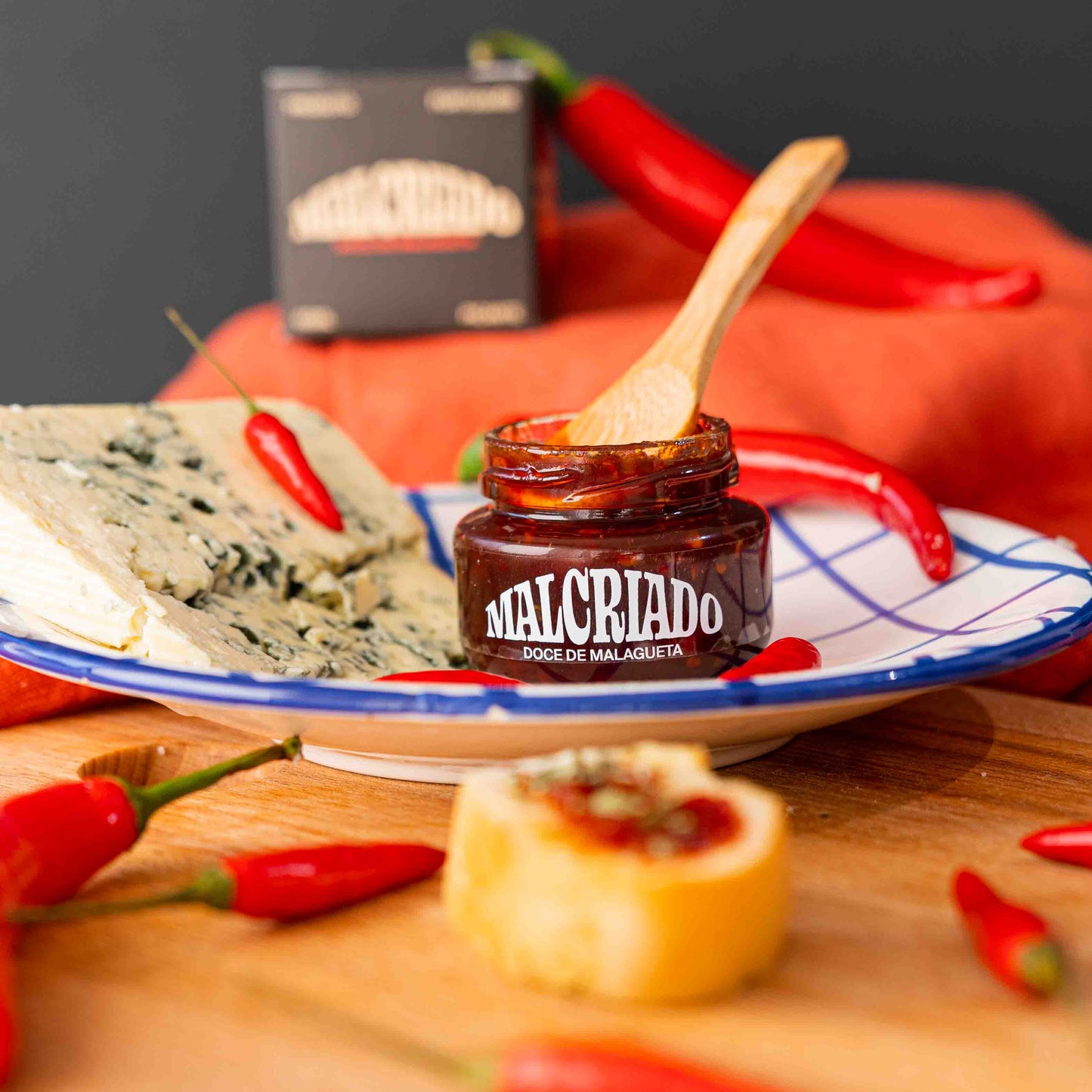
If there’s one thing we’ve learned from the history of chili peppers, it’s that spice is here to stay — and it’s been conquering the world for centuries. But no discovery is as tasty as realizing we can make our own hot sauce at home, adapting it to our taste and without spending a fortune on store-bought sauces. Plus, you’ll be putting your creative side to the test in the kitchen!
Why make your own sauce?
- Total customization: You can choose the variety of chili peppers you prefer, control the spice level, and invent unique flavor blends.
- Ingredient quality: You know where every component comes from, you can use fresh produce, and it’s free from strange additives.
- Savings: Have you noticed the prices some sauces reach? Making it at home is much more affordable and still lets you play around with the recipes.
- Fun: Let’s be honest — there’s nothing like seeing the look on friends’ and family’s faces when they try a sauce “made by you” (and feel that subtle… or explosive heat!).
Basic ingredients
To kick things off, you don’t need an endless list. Just a few items that you likely already have in your kitchen will suffice:
-
Chili pepper
- You can use them fresh or dried. If you want a stronger kick, look for more intense chilies like cayenne or habanero (if you’re really feeling adventurous). Opt for milder peppers (like jalapeño) if you want a more moderate sauce.
-
Vegetable oil
- Helps incorporate the crushed chili and keep the sauce “bound.”
-
Vinegar
- Provides acidity, enhances flavors, and helps with preservation.
-
Whiskey
- A rebellious touch that can bring smoky or sweet notes to the sauce. It’s not mandatory, but it’s worth trying if you’re a fan of this aroma.
-
Seasoning to taste
- Garlic, onion, herbs (fresh or dried), salt, sugar (or honey), and whatever else you feel like testing.
Step-by-step to your hot sauce
-
Preparing the chili pepper
- If fresh: wash it well, remove any stems and seeds (if you prefer less heat), and crush it in a food processor or blender.
- If dried: you can hydrate it in warm water (if you want to soften the heat) or crush/grind it as is.
-
Mixing the ingredients
- In a bowl, combine the crushed chili with the oil and vinegar.
- Add the whiskey (if you’re feeling brave) and stir everything together.
- Add your favorite seasonings: garlic and onion for a more traditional flavor, herbs like thyme or rosemary for an aromatic touch, sugar or honey to slightly cut through extreme heat.
-
Bottling and letting it rest
- Transfer your sauce to a thoroughly clean and sterilized glass jar (boiled in water, for example).
- Close the lid tightly and store in a cool, dry place (or in the fridge).
- Wait a few days for the flavors to develop and, if possible, shake the jar daily.
-
Tasting and adjusting
- Before serving your sauce, taste it! If it’s too spicy, you can add more oil or vinegar. If it’s “lacking salt,” you can adjust it.
- Remember that the palate evolves over time — sometimes, a few extra days in the jar can make it more intense or balanced.
Ideas to get a bit bolder
- Fermentation: If you’re a fan of complex flavors, try letting the mixture ferment for a few days (leave the jar slightly open, but protected from insects). You’ll notice an acidic and slightly effervescent touch.
- International combinations: Add ginger and soy sauce for an oriental twist, or fresh cilantro and lime for something more Latin.
- Different types of vinegar: Cider vinegar gives a milder flavor, red wine vinegar is more robust, and balsamic can enhance sweet notes.
Advantages of homemade spice
- Healthy: You know exactly what you’re putting in your mouth — no artificial colors or preservatives.
- Economical: A pack of chili peppers and some basic seasonings are enough to create several batches of sauce.
- Versatile: You can vary it according to the dish and even give personalized little jars to friends (what a cute gift!).
Conclusion
Making your own hot sauce at home isn’t just about saving a few bucks — it’s a return to the origins of cooking, when everything was made by hand, with love and dedication. It’s also a passport to discovering new layers of flavor by handpicking each ingredient. It feels good to know you can serve something unique and 100% artisanal.
Challenge yourself: prepare a small tasting to show friends how brave they are when it comes to spice. And who knows, you might discover your secret talent for sauces! If peppers conquered the world in the 15th century, in the 21st century it’s your turn to spice up your culinary adventures — literally.
Good luck and… watch your eyes! (Don’t rub them after handling chili peppers!)